Free Flu Vaccines Available

Protect Yourself and Your Family: Free Flu Vaccines Available in Shelby County

Flu season is here, and protecting yourself and your loved ones has never been more important. The Shelby County Health Department is offering free influenza vaccines to help keep our community healthy and safe.

Why Get a Flu Vaccine?

The flu vaccine is one of the most effective ways to prevent serious illness caused by influenza. It can significantly reduce the risk of:

  • Severe flu-related illness
  • Hospitalization
  • Flu-related complications and death

Health experts recommend the flu vaccine for everyone aged 6 months and older. Getting vaccinated not only protects you, but also helps safeguard vulnerable members of our community, including seniors, young children, and those with chronic health conditions.

Free Community Vaccination Events

The Shelby County Health Department will provide free flu vaccines at Centenary:

📍 Location:
Centenary United Methodist Church
584 E. McLemore Avenue
Memphis, TN 38106

đź—“ Date & Time:

  • Saturday, January 10, 2026
    ⏰ Time: 10:00 a.m. – 1:00 p.m.

No appointment is necessary—just come by during event hours and take an important step toward protecting your health.

Join the Fight Against the Flu

Flu prevention starts with vaccination. By getting your flu shot, you’re helping reduce the spread of influenza and supporting a healthier Shelby County.

Mark your calendar, bring your family, and help us fight flu together!

About Centenary United Methodist Church

Centenary is a historic church that has been ministering to the community since 1865. Our mission is to be a diverse community of faith, committed to worship, spiritual growth, and service through Christian love. Join us for worship service every Sunday at 10:30 am online and in-person.

BREAST CANCER AWARENESS MONTH

  • Approximately 1 in 8 women (13%) in the U.S. will develop invasive breast cancer at some point in their life. While advances in screening and treatment have reduced the overall risk of death from the disease, the number of people diagnosed with breast cancer continues to rise.
  • Breast cancer is the most common cancer diagnosed among women in the U.S. Each year, about 32% of all newly diagnosed cancers in women are breast cancer.
  • In 2025, approximately 316,950 women will be diagnosed with invasive breast cancer, with 59,080 new cases of ductal carcinoma in situ (DCIS), which is non-invasive.
  • About 16% of women with breast cancer are younger than 50 years of age.
  • About 66% of breast cancer cases are diagnosed at a localized stage — before cancer has spread outside of the breast — when treatments tend to work better.
  • Female breast cancer incidence rates have been slowly increasing since the mid-2000s, largely driven by diagnoses of localized-stage and hormone receptor-positive disease.
  • There are currently more than four million women with a history of breast cancer in the U.S. This includes women currently being treated and women who have finished treatment.
  • About 42,170 women will die from breast cancer in 2025.
  • Less than 1% of all breast cancers occur in men.
  • Black women are more likely to die from breast cancer than women of any other racial or ethnic group.
  • Black women have 5% lower breast cancer incidence than white women, but they have a 38% higher risk of dying from the disease.
  • Black men have the highest incidence of male breast cancer and death.
  •  If you’ve been diagnosed with breast cancer, your prognosis is your doctor’s estimate of your future health after treatment.
  • Breast cancer incidence rates in the U.S. climbed from 2012 to 2021. The rate increased by 1% overall, with the highest increases in women younger than 50 years old. Researchers believe that some of the rising cases of breast cancer may be due to people getting less physical activity, drinking alcohol, and having fewer kids.
  • By choosing the healthiest lifestyle options possible, you can empower yourself and make sure your breast cancer risk is as low as possible.

Breast Cancer Risk Factors

  • SEX
  • AGE (About two out of three invasive breast cancers are found in women 55 or older).
  • FAMILY HISTORY (Women with close relatives — especially sisters, mothers, or daughters — who have been diagnosed with breast cancer have a higher risk of developing the disease).
  • GENETICS (About 5% to 10% of breast cancers are thought to be hereditary, caused by abnormal genes passed from parent to child).
  • PERSONAL HISTORY OF BREAST CANCER
  • RADIATION TO THE CHEST OR FACE BEFORE THE AGE OF 30
  • CERTAIN BREAST CHANGES
  • RACE/ETHNICITY (Black women are more likely to develop more aggressive).
  • BEING OVERWEIGHT
  • PREGNANCY HISTORY
  • BREASTFEEDING HISTORY (Breastfeeding can lower breast cancer risk, especially if you breastfeed for longer than one year).
  • MENSTRUAL HISTORY (Women who had their first period before they turned 12).
  • USING HRT (HORMONAL REPLACEMENT THERAPY)
  • USING HORMONAL BIRTH CONTROL
  • DRINKING ALCOHOL
  • DENSE BREAST
  • LACK OF EXERCISE
  • SMOKING (Younger, pre-menopausal women).
  • LOW VITAMIN D LEVELS
  • LIGHT EXPOSURE AT NIGHT
  • DES (DIETHYLSTILBESTTROL) EXPOSURE
  • EATING UNHEALTHY FOOD (Responsible for about 30% to 40% of all cancers).
  • EXPOSURE TO CHEMICALS IN HAIR DYES AND STRAIGHTENERS, COSMETICS, FOOD, LAWN AND GARDENS, PLASTICS, SUNSCREEN OILS, WATER, WHEN FOOD IS FRILLED/PREPARED
  • EXPOSUR TO HIGH LEVELS OF FINE PARTICLEAIR POLLUTION (dust, dirt and smoke)

Highlights from our 2025 Health Fair

The Centenary United Methodist Church has been actively involved in promoting health and wellness within our community. Our 2025 report highlights the significant impact we’ve made through various initiatives and programs.

Community Engagement and Support

This year, we registered approximately 691 adults and children, demonstrating our commitment to supporting the community. Additionally, around 385 students received backpacks, ensuring they are well-prepared for their educational journey.

Immunization Efforts

In collaboration with the Shelby County Health Department, we served 75 patients and provided 207 vaccines during our immunization event. A total of 617 people attended, including 238 adults and 379 children. The vaccines administered included:

  • Hepatitis A: 22 doses
  • Hepatitis B: 9 doses
  • Varicella: 9 doses
  • ProQuad: 25 doses
  • Kinrix: 30 doses
  • Tdap: 37 doses
  • Polio: 11 doses
  • MMR: 4 doses
  • HPV: 32 doses
  • MCV: 31 doses
  • Pediarix: 2 doses
  • Vaxellis: 2 doses
  • DTap: 1 dose

HIV Prevention and Outreach

The “End The Syndemic Framework” initiative distributed a total of 68 HIV home kits. We reached various zip codes, including 38017, 38125, 38116, and many others.

Programs and Partnerships

Several programs attended our events, including Immunizations, Ryan White Program, Vaccines for Children (VFC) Program, CHANT, Child Car Seat Program, FIMR/IMRI, Public Health Emergency Preparedness Program, Public Health Office of Performance, Population Health/Health Smart, Nursing Clinical Practice, TennCare Presumptive Section, Violence Prevention, WIC, TB, Support Services, SPARK, Prenatal Presumptive, MRC, Opioid Overdose Prevention, and End The Syndemic Framework.

We are proud of the progress we’ve made and look forward to continuing our efforts to improve the health and wellness of our community. Thank you to everyone who has supported and participated in our initiative.

FEBRUARY HEART MONTH: Cardiovascular disease

According to the American Heart Association, Cardiovascular disease (CVD) remains the leading cause of death in the U.S. The report notes that Black Americans suffer some of the worst CVD health outcomes, likely due to the increasing prevalence of health risk factors that lead to CVD.

CVD Prevalence: Among people aged 20 and older in the U.S., nearly 60% of Black adults have some type of CVD, including coronary heart disease, heart failure, stroke, and hypertension; that’s compared to about 49% of all U.S. adults who have some type of CVD.

Stroke Disparities: Among all adults in the U.S., the prevalence of stroke is highest among Black women (5.4%) and Black men (4.8%), compared to all women at 2.9% and all men at 3.6%.
High Blood Pressure Crisis: Black adults in the U.S have some of the highest prevalence of hypertension in the world, with 58.4% of Black women and 57.5% of Black men having high blood pressure. That compares to 50.4% of all U.S. adult men and 43% of all women.
Heart Failure Burden: Black adults account for over 50% of heart failure hospitalizations among U.S. adults under 50.

Females, over the age of forty, (40), years of age and past menopause, are at a high risk of having a heart attack.

The science is clear-Black communities continue to face disproportionate risks of heart disease, stroke, and other cardiovascular conditions, leading to poorer survival outcomes. But data alone won’t drive change. Real impact happens when we work directly with communities formulating ideas and creating plans and programs to create solutions that address these disparities. By advocating for equitable healthcare, fostering heart health education, providing monthly blood pressure, blood glucose, and oxygen saturation evaluations, and access to Hands-Only CPR training we, Centenary United Methodist Church, Health and Wellness Team are committed to working with the community to change the future of health.

Oral Cancer Month

  • Oral cancer, (mouth cancer), is the broad term for cancer that affects the inside of your mouth.
  • Oral cancer can look like a common problem with your lips or in your mouth, like white patches or sores that bleed.
  • The difference between common problem and potential cancer is these changes don’t go away.
  • Left untreated, oral cancer can spread throughout your mouth and throat to other areas of your head and neck.
  • Untreated gum disease can contribute to HEART DISEASE….
  • Weight loss is a common symptom of most cancers and is especially prevalent in cases of mouth cancer, due to the mouth’s direct relationship to nutrient consumption.
  • About 58,450 new cases of oral cavity or oropharyngeal cancer.
  • About 12,230 deaths from oral cavity or oropharyngeal cancer.
  • Approximately 63% of people with oral cavity cancer are alive five years after diagnosis.

What is Domestic Violence?

A pattern of abusive behavior used to gain or keep power and control over another person in a relationship.  In the United States, domestic violence affects an estimated 10 million people each year.  Research has shown, up to 1 in 4 women and 1 in 9 men have experienced this type of abuse.  This number may be higher, as most individuals do not report abuse.

Signs of domestic violence:

  • Verbal abuse (says things to intentionally scare you, degrade you, or otherwise damage your self-worth)
    • Regularly yelling and screaming at you
    • Humiliating you in front of other people
    • Calling you names, swearing at you, or using other foul language
    • Putting down your physical appearance, job, interests, or anything else about you
    • Threatening to harm you, your loved ones, or your pets
    • Threatening to take your children away or keep you from spending time with them
  • Physical abuse (involves any unwanted physical contact or touch intended to hurt or intimidate you)
    • Slapping
    • Kicking
    • Holding you down
    • Shoving or pushing you
    • Pulling your hair
    • Choking you
    • Throwing objects at you
    • Grabbing your face to force you to look at them
    • Blocking a doorway to prevent you from leaving
  • Emotional abuse (Any behavior meant to control or manipulate you, or undermine your sense of individuality and independence)
    • Guilt-tripping you
    • Gaslighting you to deny your experiences or past events
    • Giving you the silent treatment to punish you
    • Controlling who you spend time with
    • Isolating you from loved ones
    • Making threats to get you to act a certain way
    • Starting rumors about you
    • Trivializing your feelings, boundaries, or accomplishments
    • Blaming you for all problems in the relationship
    • Spying on your devices
  • Sexual abuse (Pressuring or outright forcing you to engage in any unwanted sexual acts, or doing anything to control your sexual experience)
    • Unwanted touching or kissing
    • Refusing to use a condom or other barrier methods
    • Restricting your access to birth control
    • Unwanted rough sexual activity
    • Sexual coercion, or pressuring you into performing sexual acts
    • Forcing you to take sexual photos or sharing explicit photos of you without consent
    • Pressuring you to send them nude or sexual photos
    • Forcing you to watch sexually explicit material
    • Performing sexual acts with you when you’re unable to say no — for instance, because you’re asleep or intoxicated
  • Financial abuse (Controls your access to money or prevents you from earning an income)
    • Telling you to quit your job or calling your boss and quitting on your behalf
    • Hiding your car or office keys so you can’t go to work
    • Showing up at your work repeatedly and causing problems so you lose your job
    • Preventing you from accessing your bank account
    • Taking your money, debit and credit cards, or your wallet
    • Insisting on taking control of your finances and giving you a set “allowance” each week or month
    • Using a joint account or your account to make purchases without your consent
    • Selling your assets or property without your consent
    • Opening credit cards in your name or insisting you open credit cards for them to use
    • Refusing to pay child support
    • Telling you to get a second job so they can quit their job
    • Making you show them your receipts for every purchase you make
    • Telling you what you can and can’t purchase with money you earn
    • Making financial decisions that affect you without getting your consent
  • Other factors that may contribute to or escalate aggressive behavior
    • Drinking alcohol or using other substances
    • Social isolation
    • Jealousy and possessiveness
    • Low self-esteem
    • Emotional dependence on others
    • General hostility, especially toward the opposite gender

You can visit the National Domestic Violence Hotline online or call 800-799-7233 for free, confidential support at any time.

Tips for Fire Safety Month in October

FIRE SAFETY TIPS

• Install Smoke Detectors on Every Level
• Install Carbon Monoxide Detectors on Every Level
• Plan Your Escape Route from Fire
• Keep an Eye on Smokers
• Cook Carefully
• Give SPACE Heaters SPACE
• Portable Air Conditioner Safety
• Matches and Lighters are Tools Not Toys
• Stop, Drop, and Roll
• Use Electrical Safety
• Crawl Low Under Smoke
• Working Fire Extinguisher and It’s Use

Home Escape Plan

• Do you have an escape plan?
• Is it practiced regularly?
• The escape plan includes a safe place to meet up?
• Are there two exits out of every room?
• 9-1-1 emergency number is posted on all phones.
• A meeting place outside and in front of the home where everyone will meet immediately upon exiting.
• Batteries changed twice a year (Time Change-Spring/Fall)

CARBON MONOXIDE SOURCES

• Heaters
• Fireplaces
• Appliances
• Furnaces
• Cooking Sources (Wood, Oil, Natural Gas, Propane, Kerosene)

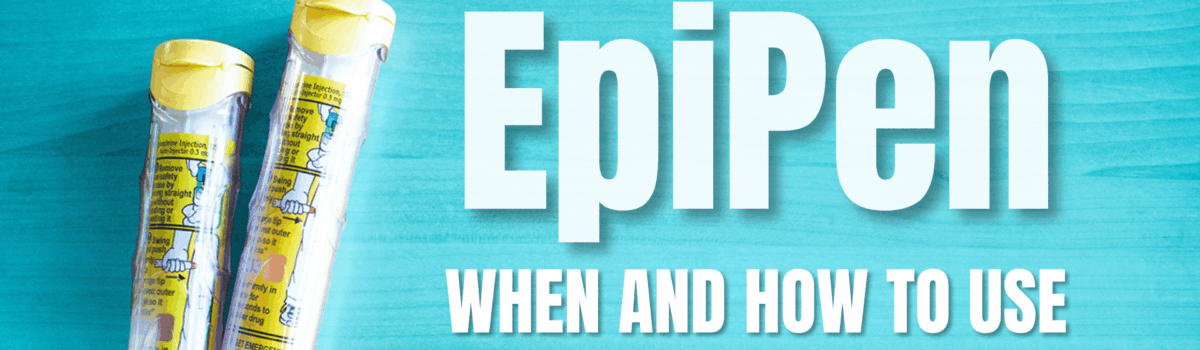
EpiPen: How and When to Use

When to use an EpiPen:

  • Sign of a severe allergic reaction (Anaphylaxis)
    • Food Medication
    • Insect bites
  • Swelling, which can lead to difficulty breathing or swallowing
  • Shortness of breath or wheezing
  • Pain in your belly
  • Chest tightness
  • Dizziness
  • Vomiting
  • Confusion
  • Severe hives or rash

Overreaction response can lead to inflammation (which can cut off breathing) and a widening of blood vessels (which can drop blood pressure to dangerous levels).

The medication works to constrict (narrow) dilated (widened) blood vessels to help your blood pressure rebound and bring down swelling. It also relaxes muscles in your lungs to open up airways and make breathing a bit easier.

  • The needle on an auto-injector is designed to go through jeans or pants.
  • The dosage is different between children and adults, but the delivery technique is exactly the same. Just jab the thigh and let the epinephrine release. Each auto-injector is filled with a prescribed amount of medication.
  • It’s always a good idea to hold someone’s leg in place while inserting the injector and for three seconds afterward.
  • A second dose can be administered if the first injection doesn’t reduce symptoms within five to 15 minutes and the reaction continues to worsen. (This is why auto-injectors typically come in packs of two.)
  • Call 911 immediately if a reaction is bad enough to require an EpiPen.
  • Prescriptions for epinephrine auto-injectors typically last a year and should be refilled before they expire.

How to use an EpiPen:

  • Remove the EpiPen from its carrier tube.
  • Hold the EpiPen with the orange tip ­(where the needle is) pointing downward and the blue safety cap pointing up. Remember this phrase: Blue to the sky, orange to the thigh.
  • Remove the blue safety cap. Pull straight up on it. Do not bend or twist it.
  • Place the orange tip against the middle of the outer thigh. Using a slight swing, jab the auto-injector into the thigh until you hear the device click.
  • Hold the EpiPen firmly in place for three seconds. Count slowly.